Compact Water-Tunnel Flow Facility
Gharib Group · Experimental Fluids · 2024
I worked on a compact low-Reynolds-number water-tunnel facility by supporting hardware integration, turbine-array control, electronics, power configuration, Arduino/PWM control, and PIV/dye-flow validation.
Project Snapshot
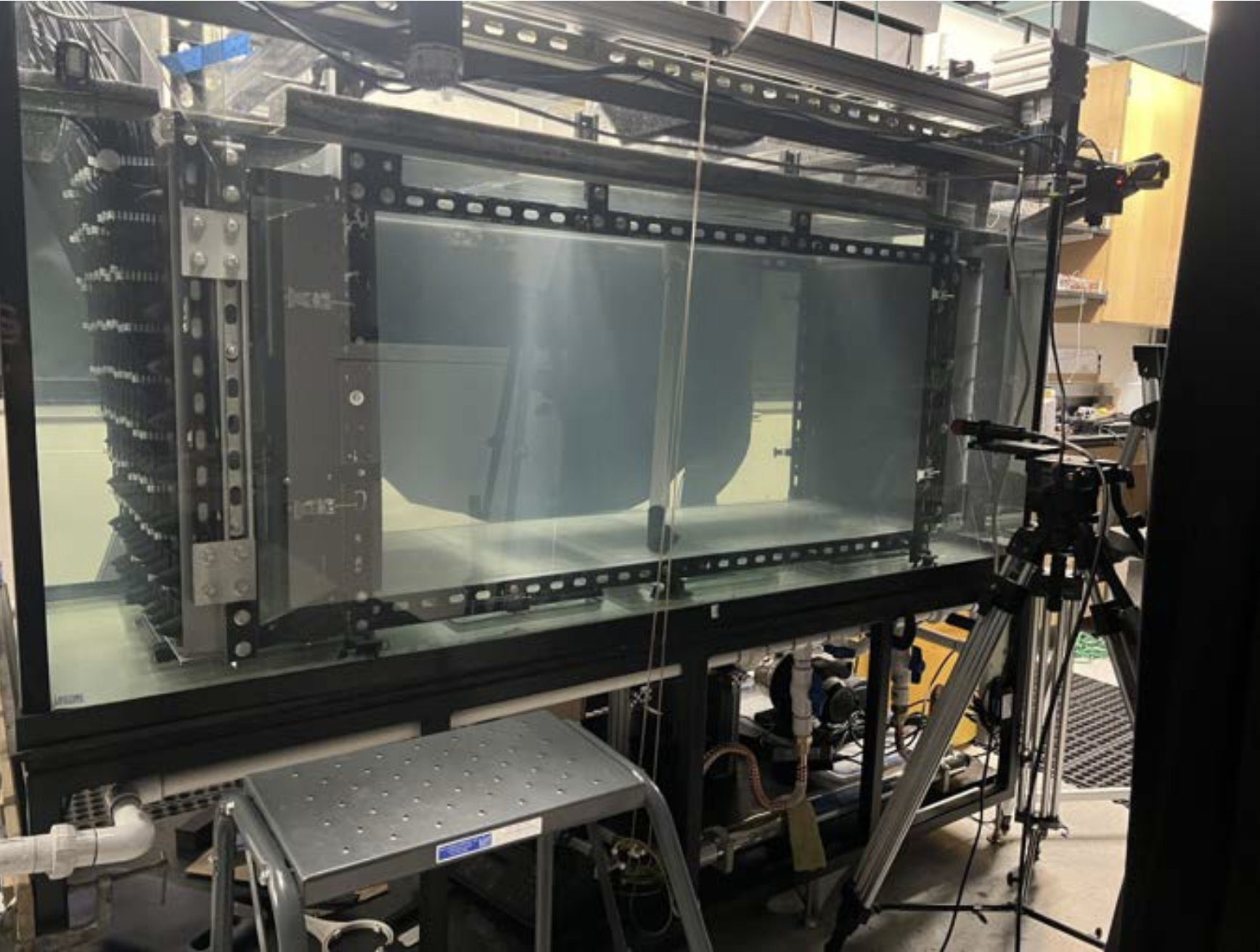
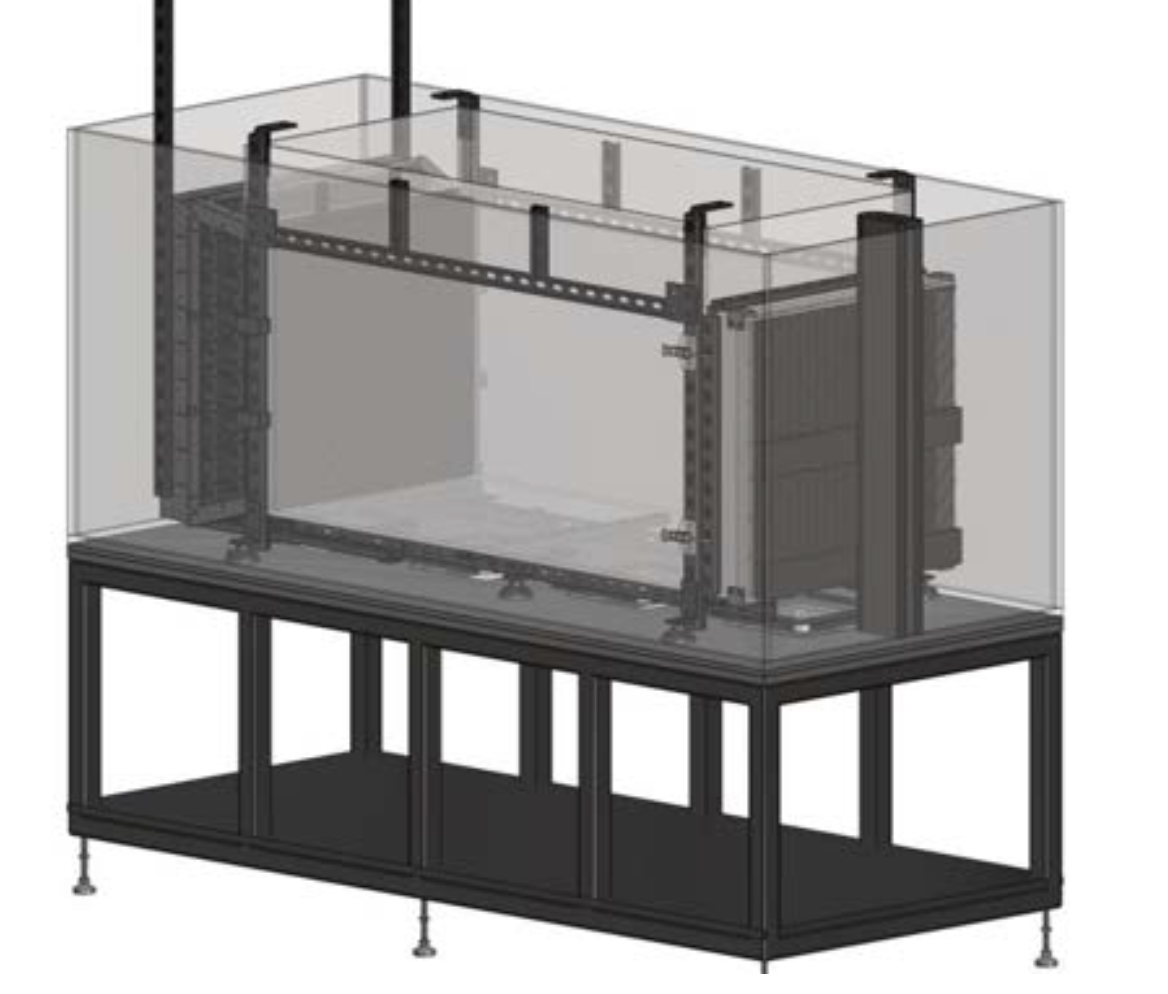
This project focused on improving a compact 2 × 1 meter water-tunnel facility with a 9 × 9 turbine array. The goal was to make a much smaller flow facility that could still support useful low-Reynolds-number experiments.
I worked on the hardware and control side of the setup, including electronics, wiring, power configuration, and Arduino/PWM control for the turbine array. I also helped develop matrix-style control for individual turbines and line-based control on a 3 × 3 array, with the structure intended to scale toward the full 9 × 9 array.
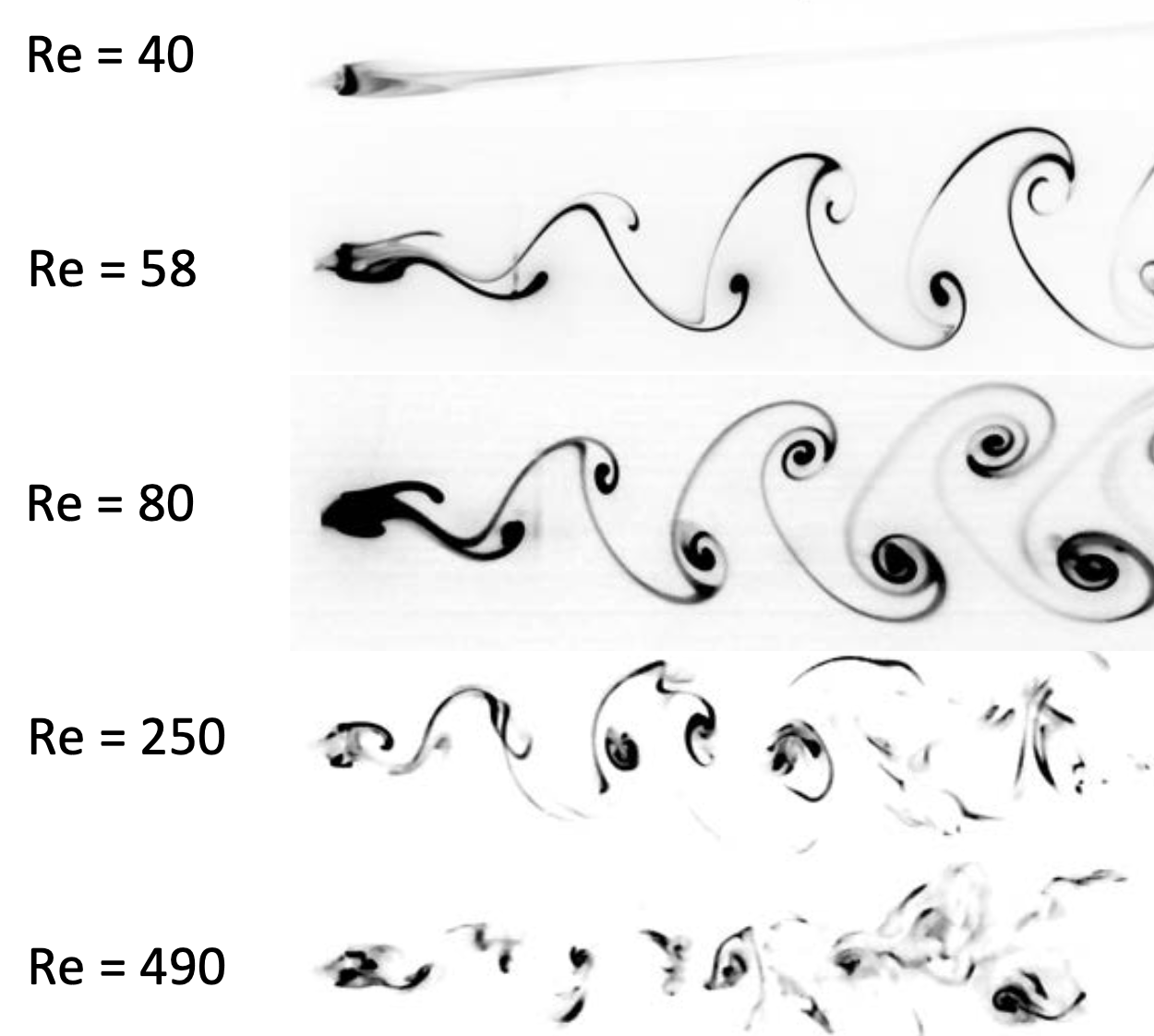
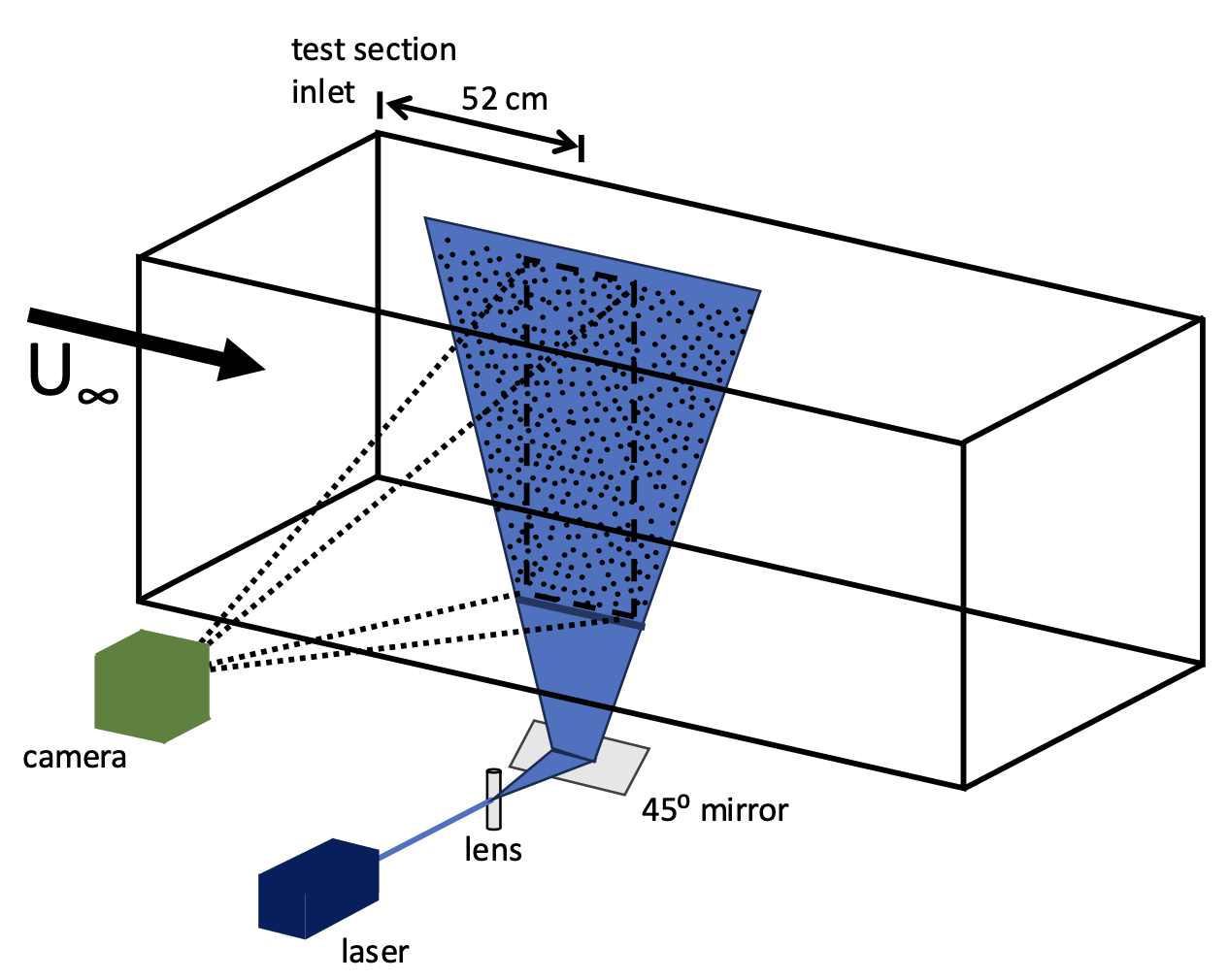
For validation, I used Particle Image Velocimetry and dye injection with UV light to look at the flow behavior. These tests helped show velocity profiles, shear-layer behavior, and Kármán vortex street patterns at different Reynolds numbers, with roughly 1–2% turbulence intensity.
For more details on the facility design, validation process, and results, the presentation below gives the fuller project walkthrough.
Water Tunnel in a Box
Additional Media